|
Dear Wheatley Wildcats and Other
Interested Persons, Welcome to the Wheatley School
Alumni Association Newsletter # 282. Class of 1960 Mini-Reunion on L.I.
Ken Martin (1960) Writes - “The Class of 1960 will once more gather for a
mini-reunion, this time on the charming Shelter Island from 9 to 11 October,
2026. Our rooms are in the Shelter Island House. The tariff is quite fair
given that it is laterally in the middle of Out East. A quick snapshot of our
activities: Happy Hour Friday night in the hotel, Saturday morning John
Moncure’s world famous Bloody Mary’s, lunch at Mary Jane’s lovely cottage in
Sag Harbor, and dinner that evening in the hotel. Sunday morning breakfast
and goodbyes. As a review, our yearly
mini-reunion tradition began when our late class president, Jack Langlois,
bequeathed us a sum of money to continue our reunions soon after our 50th.
Jack passed away approximately six weeks after that event. Because of his
kindness and memory, we have gathered 15 times in many different places
missing only one year due to a hurricane. And whereas our numbers dwindle,
our enthusiasm grows. Any classmates or friends
who want to join us kindly email Ken Martin at: We hope you can join us.” 9/11
Robin Brinn (1969) Writes - “Hi Art, 9/11 is a very special and somber day of
remembrance for me. On 9/11, I was the
Director of Manhattan Services for the Jewish Board of Family and Children’s
Services (JBFCS), one of the largest mental health agencies in NYC. I became
one of the NY coordinators, along with the Red Cross, offering mental health
services at Pier 94 on the Hudson River, which was set up for family members,
friends and colleagues of the deceased. Initially, the Pier had hundreds of
photos of missing persons, which soon turned into pictures of the deceased.
Very quickly, services were provided to hundreds who came through. There were
therapy dogs, medical personnel, police officers and fire fighters, a
children’s area for therapists to help them draw and share their experiences,
and plentiful food and snacks. I’ve never seen so many tears and so much
camaraderie in one place. My main role was to
support those who lost a loved one and accompany them on Red Cross boats,
which took us down to the 9/11 site. Each boat had Red Cross workers, therapy
dogs and mental health personnel. The bereaved colleagues, friends and family
members were all so young - I escorted so many people and heard stories
aplenty from those recently-married-now-widowed, people who worked at Windows
on the World but had dental appointments and were getting into work late but
lost many colleagues - I remember every life story and every face. Each person was given a
bouquet of flowers and a teddy bear. As the boats made their way to the
rubble, every emotion imaginable was both visible and audible - screaming,
sobbing, shaking, shock. The experience was chilling. When we arrived at the
site, rescue workers stopped digging and made 2 lines, saluting the bereaved
as they left the boat and were escorted to a designated area, where the
flowers and teddy bears were laid on a giant pile. People said prayers, wept,
looked around in shock. The smell and debris were overwhelming. Reboarding the boats to
return to the Pier, the air was devastatingly silent. As time passed, I gave
talks at businesses, including Cantor Fitzgerald, and at NYC schools on
coping with grief and loss. JBFCS offered free
therapy services for many months to those affected by the tragedy. Given the
constant bombardment of stimuli from television and news outlets, I think
that all New Yorkers had PTSD of some kind. Interestingly, those who came in
for psychotherapy at the start were people who had other life traumas that
were reactivated as a result of this tragedy. Professionally, my 9/11
work was one of the most rewarding aspects of my 55-year career.” Ted Lipsky (1976) Writes - “Hi Art, Here is my 9/11 story: On August 7, 2001, my
son, my second wife and her daughter were doing a two-week East Coast summer
road trip beginning in Coral Springs, FL and stopping at amusement parks from
Central Florida, through Georgia, Maryland, New Jersey, and finishing in NYC.
Our plan was then to return home driving straight through the night to
Florida. When we arrived in NYC on
August 21, 2001, we decided to do a hop on / hop off red bus trip through
midtown and downtown, ending at the World Trade Center complex. My traveling
companions had never been there, and from 1986-1987, I used to work at Merrill
Lynch at 185 Broad Street, before moving our offices to the World Financial
Center, Tower B. We then moved to Florida in December 1987. After exiting the bus, I
gave them a tour of the WTC and WFC complexes, and I said that we must go to
Windows on the World for lunch. After we sat down for lunch, I realized that
my camera had run out of film during the bus tour, and I asked my son to buy
some film so that we could take pictures of the restaurant, the windows, and
those amazing bathrooms. My second wife said not to bother, because we
planned to return during the Christmas Holidays, and we could take pictures
then. No problem, I thought. We got back to Florida,
and I had a business trip planned to Santo Domingo in the Dominican Republic
from September 8th to the 11th and would then return to South Florida. I
boarded my flight at 8 AM on the 11th, and as we were flying to Miami, the
Captain came on the public address system and said, without explaining, that
we were being diverted to San Juan, Puerto Rico. We landed, and immediately
after exiting, the airport security, police and National Guard with guns were
everywhere, and I saw a TV with CNN showing what had just happened to the
North Tower. I knew it was bad, and then I saw the South Tower get hit. An
announcement came on saying the airport would close, and all flights to and
in the USA were being grounded. I called two hotels, and
neither had rooms, but thankfully I had done consulting work for Marriott
Corp. from 1986 to 1987. I called the Executive VP of their Honored Guest
Awards Program, now called “Marriott Rewards,” who was a good friend, and she
called the hotel manager in San Juan, and I had a room for as long as I
needed one. I was glued to the TV for the next two and a half days. Thursday night, September
13, 2001, American Airlines called me and said two flights would operate on
Friday morning the 14th. I was upgraded and booked on the first flight out
and got home to Ft. Lauderdale that morning. My second wife, who had security
clearance as a Flight Attendant, met me at the gate, and armed security was
everywhere. It looked and felt like we were entering a war zone that morning,
in both San Juan and Ft. Lauderdale. I knew that life in
America had changed permanently, and that our country would never be the same
again.” Concert Comments - Legacy Tour
The Wheatley School Alumni Association Newsletter # 281. Gerry Gersh (1970) Writes - “Sounds like an AMAZING concert, Art!! Winwood, Fogerty,
WOW!! I agree that we lived through a true Renaissance of dance music and
talent. I was, btw, at Woodstock! Sly, ‘I Want to Take You Higher’, at night,
dressed all in white leather, ‘blew the roof’ off the place!” Andrew Krakauer (1970) Writes - I am jealous, I loved going to the Jones Beach
Theatre. I especially remember seeing Bette Midler there with her and her
dancers in mermaid outfits dancing around in wheelchairs. Also, I have seen
John Fogerty and Steve Windwood here in Los Angeles at the Hollywood Bowl.” Jo Ann Bregman Miles (1972) Writes - “Hello Art! I very much enjoyed reading your review
of the September 12, 2026, Stevie Winwood/John Fogerty concert at the Jones
Beach Theater! Here’s mine. My son, Jake, and
daughter-in-law, Rebecca, gifted my husband Jack and I tickets. Both
musicians are multi-generational performers. Like Fogerty, who had two of his
sons in his band, Winwood also had a family member performing: his daughter,
Lilly Winwood, who is a song-writer in her own right and sang beautifully
with her father. Father, daughter, and saxophone player Randall Bramblett
produced a great sound. As Art wrote, at 78 and
81 respectively, Winwood and Fogerty had great chops. Equally impressive were
their abilities to sustain themselves singing song after song while moving
around the stage attending to different instruments. Winwood played standard and
grand piano, electric keyboard (organ), guitar, and mandolin. Fogerty
switched between acoustic, electric, and his famous baseball bat guitar, as
well as harmonica. Reminiscing, Fogerty made reference to his first band, The
Golliwogs, with a rendition of “Fight Fire.” Personally, I was hoping to hear
“Susie Q.” (1968). Listening to songs from
Traffic, Blind Faith, and Credence Clearwater Revival, Jack, and I were
catapulted back into our teens, when we had our whole lives ahead of us. It
was both a joyous yet sobering feeling. Memories of my old neighborhood — the
Roslyn Country Club — and Wheatley days immediately surfaced. Jake, age 36, was singing
the lyrics of both songwriters. I was surprised. He stated, ‘Oh, yeah, this
is great music…we all (his generation) listened to it’ - proof that these
musically gifted giants made music that has transcended generations.” Ross Kass (1972) Writes - “On September 8th, in Boston, I
attended the same Stevie Winwood/John Fogerty concert. They knocked it out of
the ballfield (even though one of the backdrops included scenes from a
Yankee’s game.” Valerie Gomes (1978) - “Sorry I missed that show. I love those guys!!! I’ve
never seen them in concert, and Jones Beach is such a great venue!!! Sounds
like a great show.” Hilarity
for Charity Event - 10/2/2026
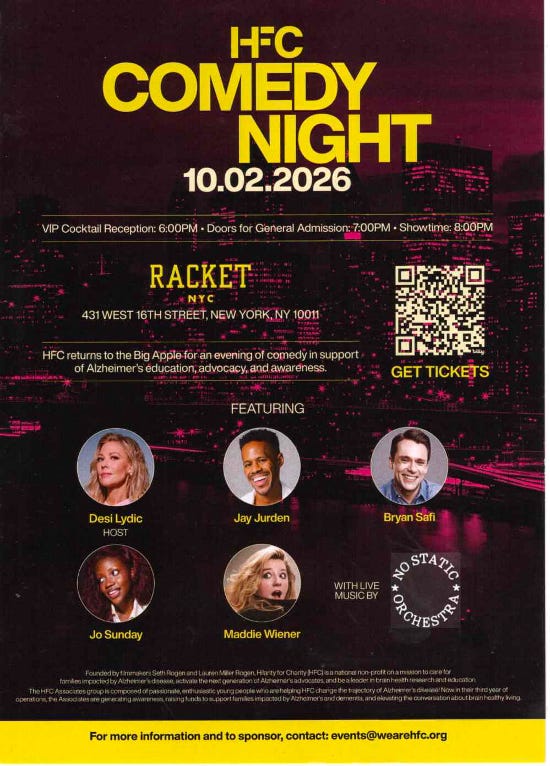
Richard I Schwarz (1967) Writes - “My daughter, Laura Dasher, is organizing an HFC
(Hilarity for Charity) event for Friday 10/2 in Manhattan. HFC is a wonderful
organization that supports Alzheimers victims and their families. It was
established by Seth Rogen and his wife Lauren, whose mother died from this
horrible condition. The Lorraine and Richard
Schwarz Family Foundation has been supporting HFC for years. This is the 3rd
comedy night event that Laura has organized, and it’s really a fun time! The October 2nd event
will be hosted by Desi Lydic, who just won an Emmy as a cast member on the
Daily Show.”
Coaching
Staff
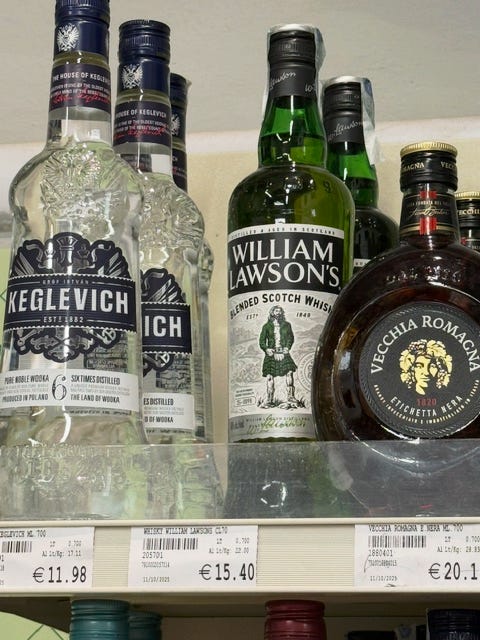
Wild Bill Lawson, Distiller
Andrew Rosen (1971) Writes
- “Art: I ran across this in a
tiny grocery store in Cortona, Italy. I always wondered what Bill Lawson did
after coaching.” Graduates
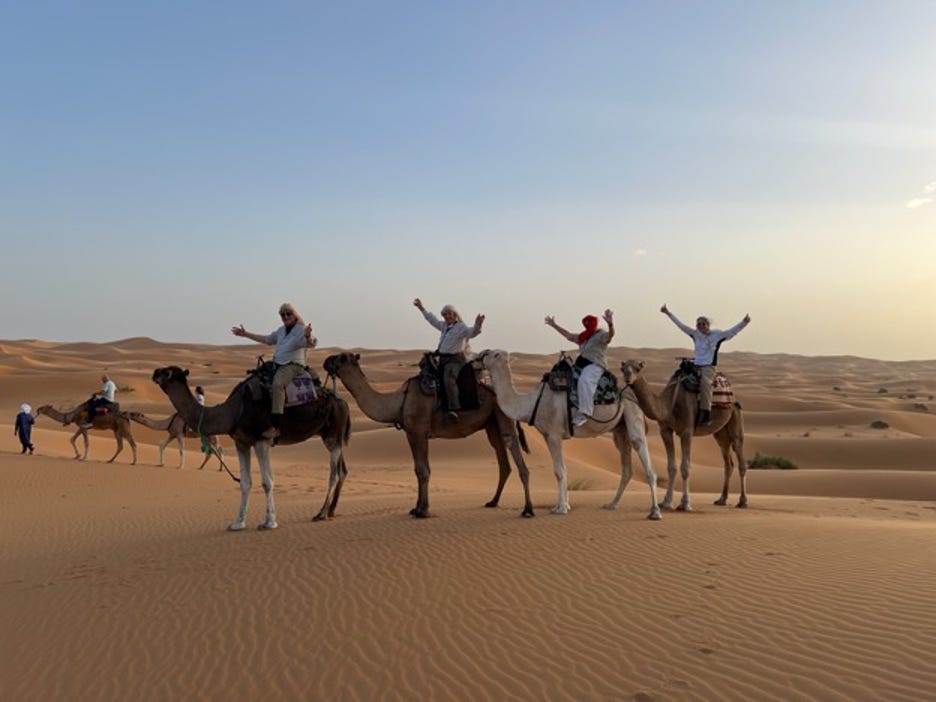
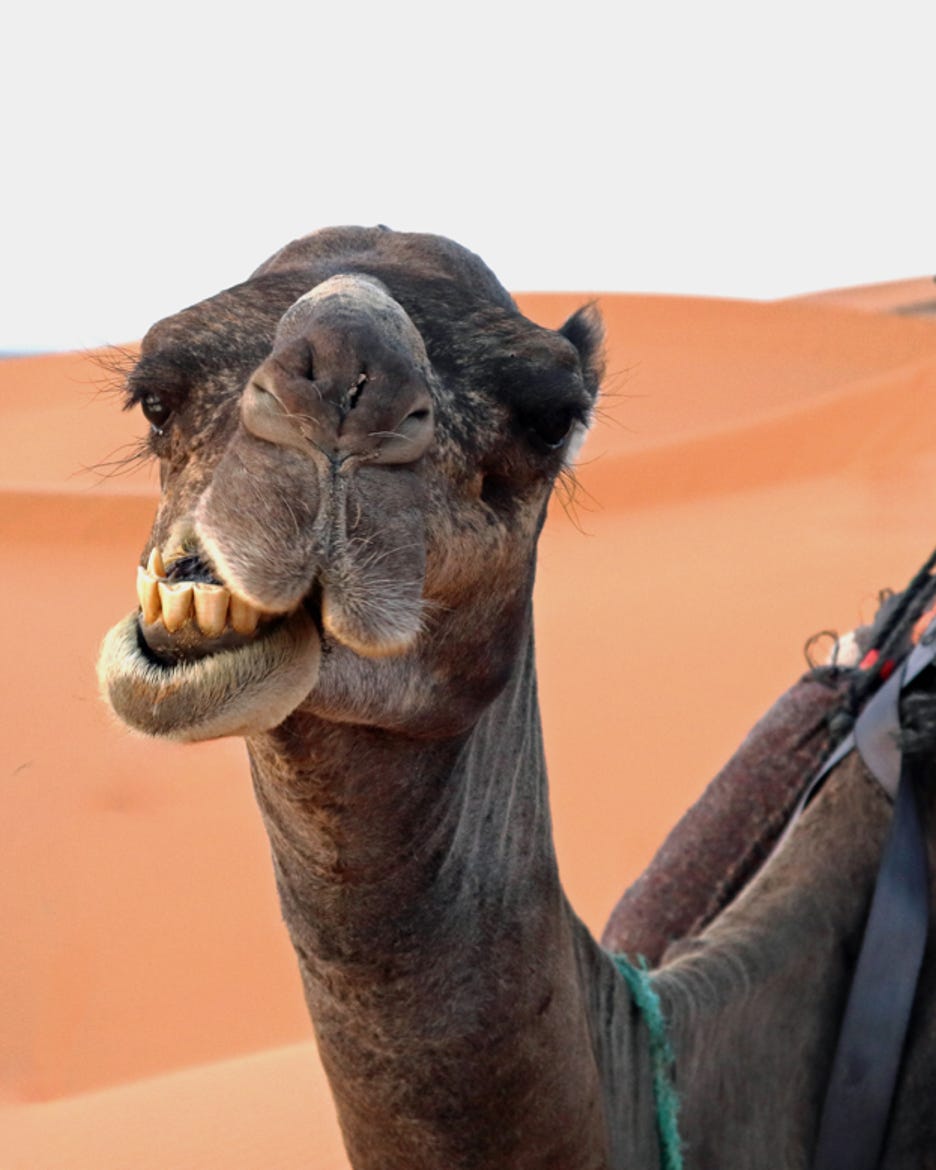
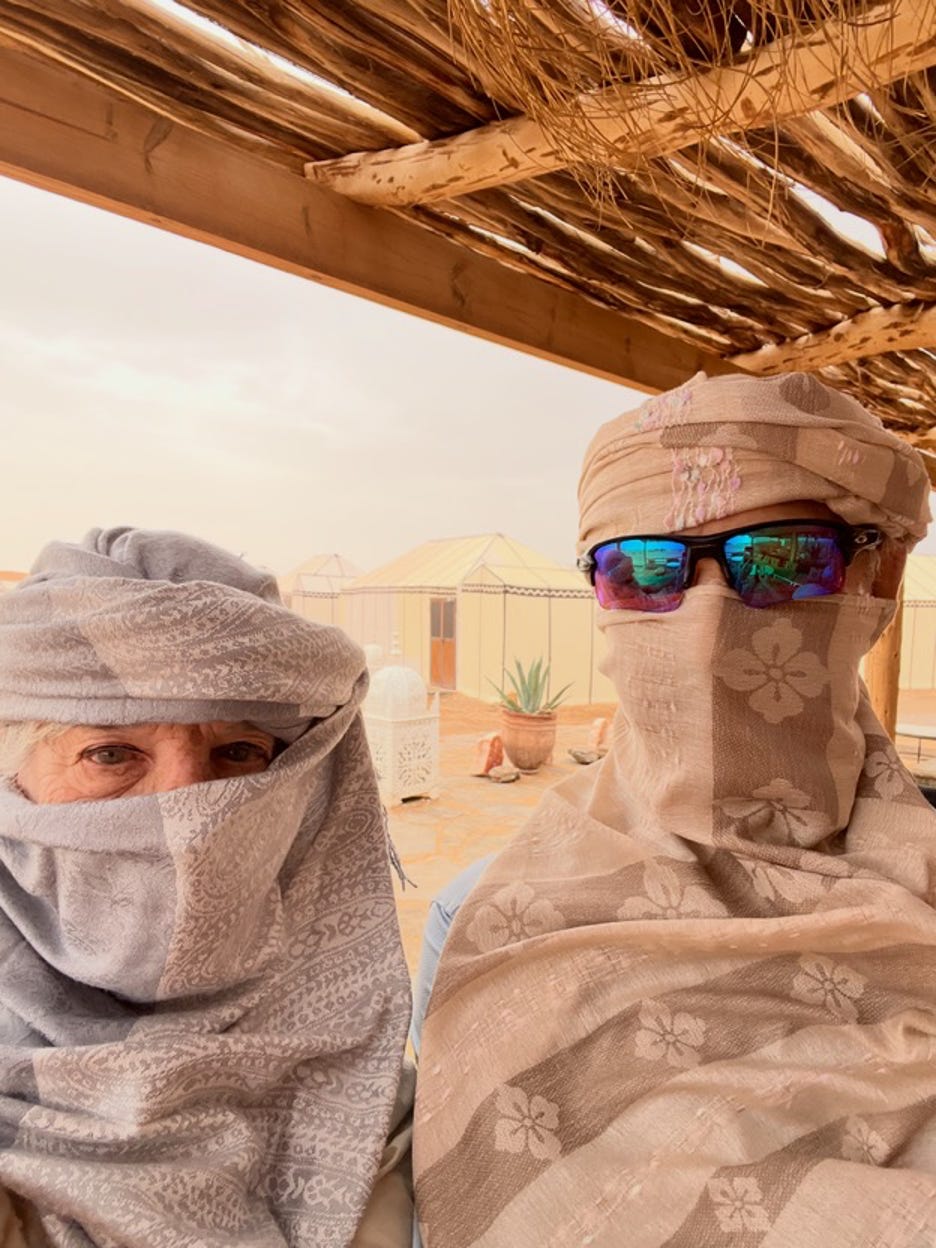
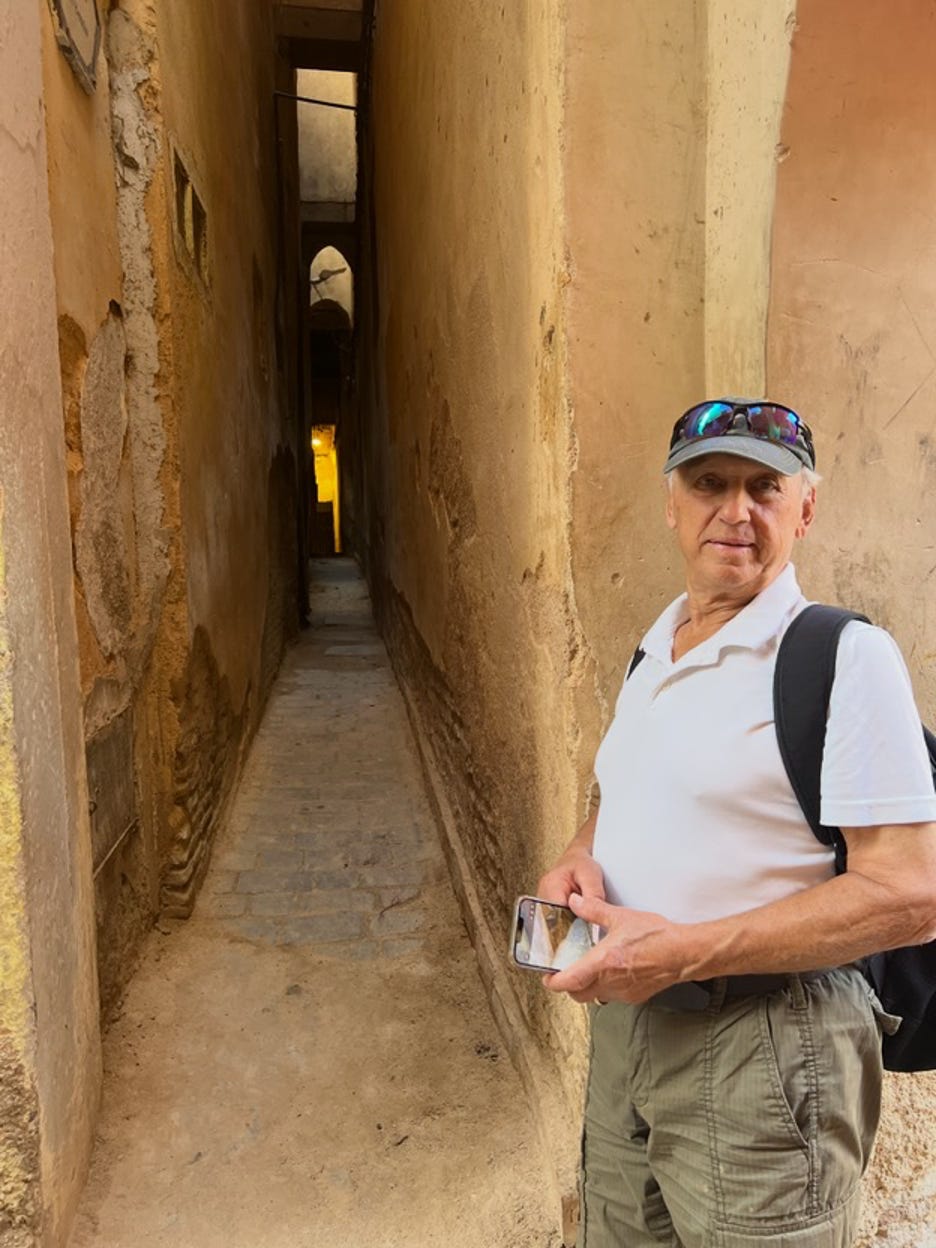
1965 and 1967 - Richard Strauss and
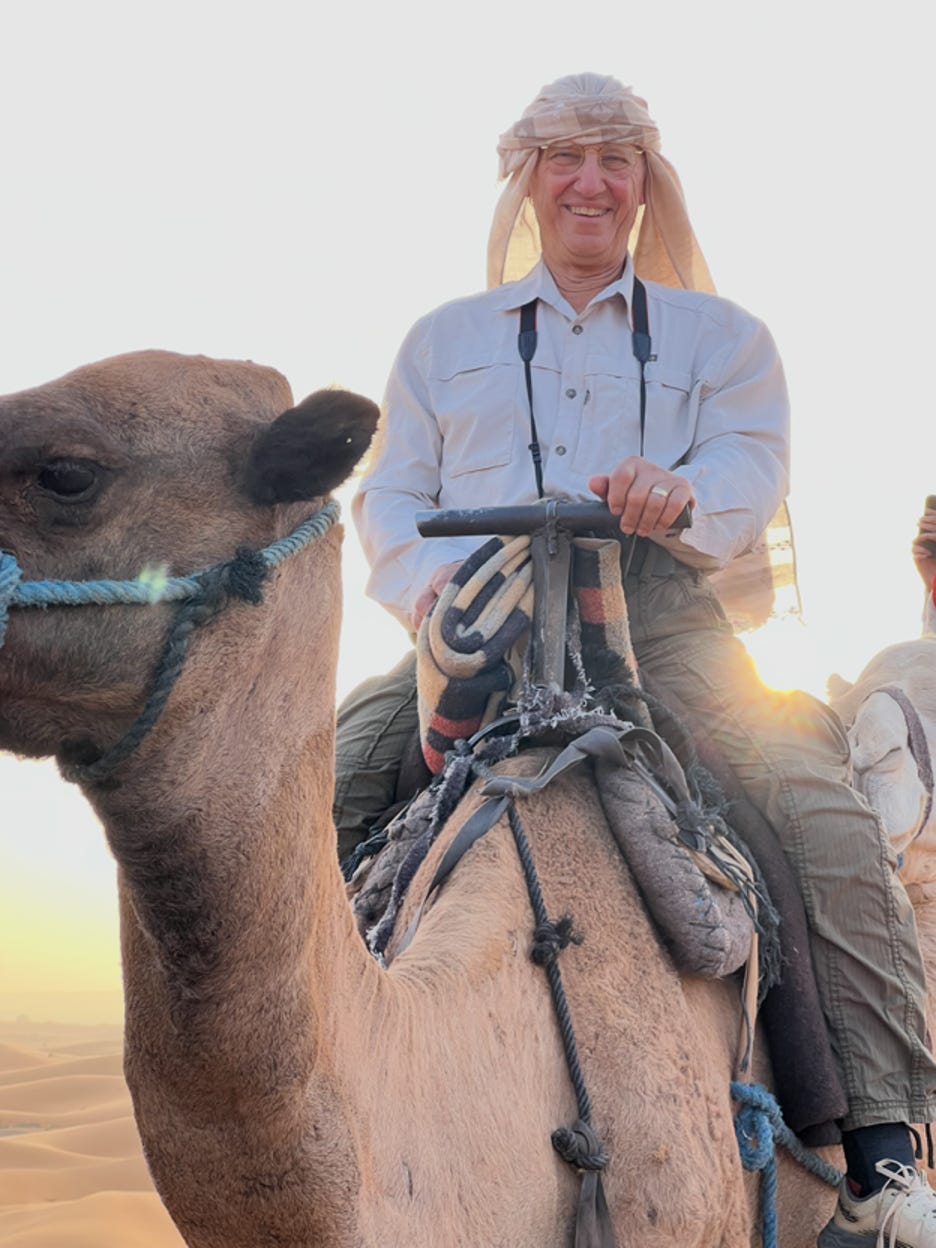
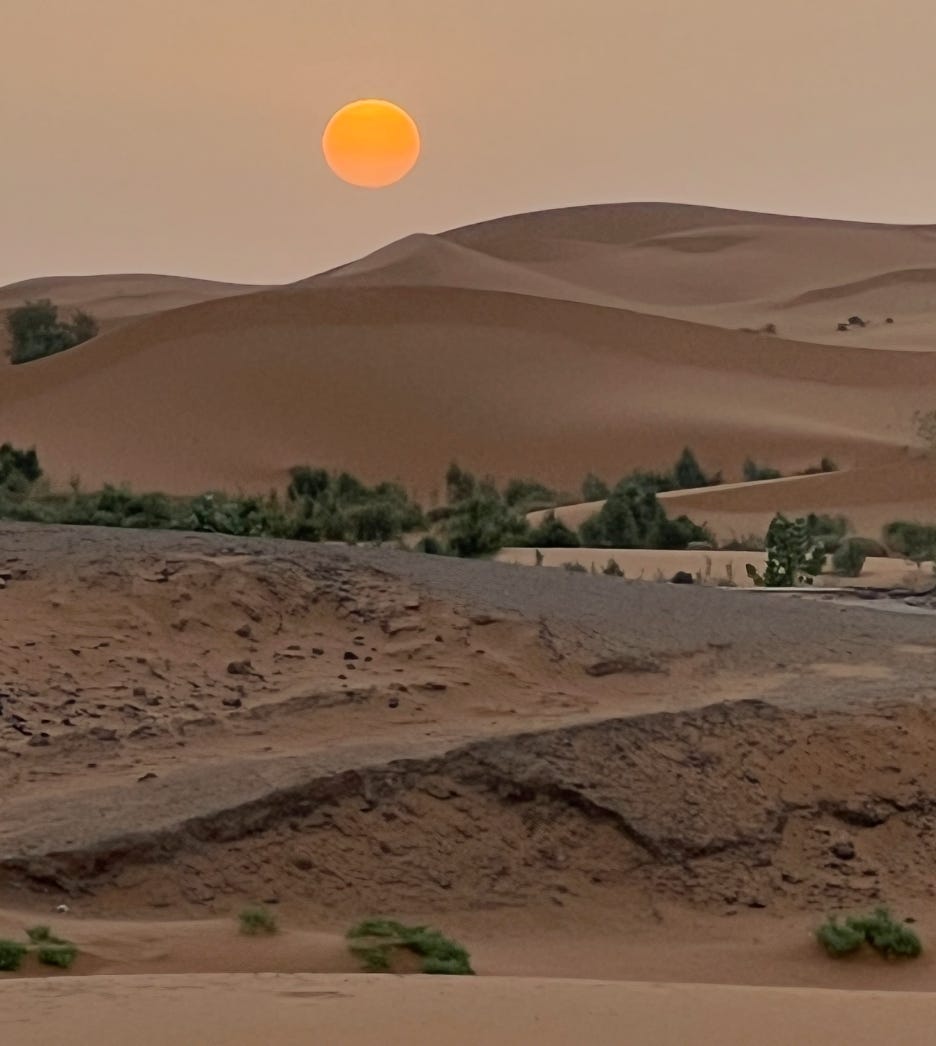
Leslie Buckner Strauss “Salam (peace). We recently returned from nearly two
amazing weeks in Morocco. From wandering the medinas in Rabat, Fez, and
Marakesh to camel riding in the Sahara dunes, it was truly a journey worth
taking. Of course, you have to like the dry 100+ degrees temps. The food
(lots of Chicken Lemon Tajines), historic sites, culture and hospitality are
limitless. Happy to share details and loads of pics with anyone interested in
making the guided journey.”
1966 - Diana Noble
Rubinger - With Josef “Yossi” Olmert
“May your stars
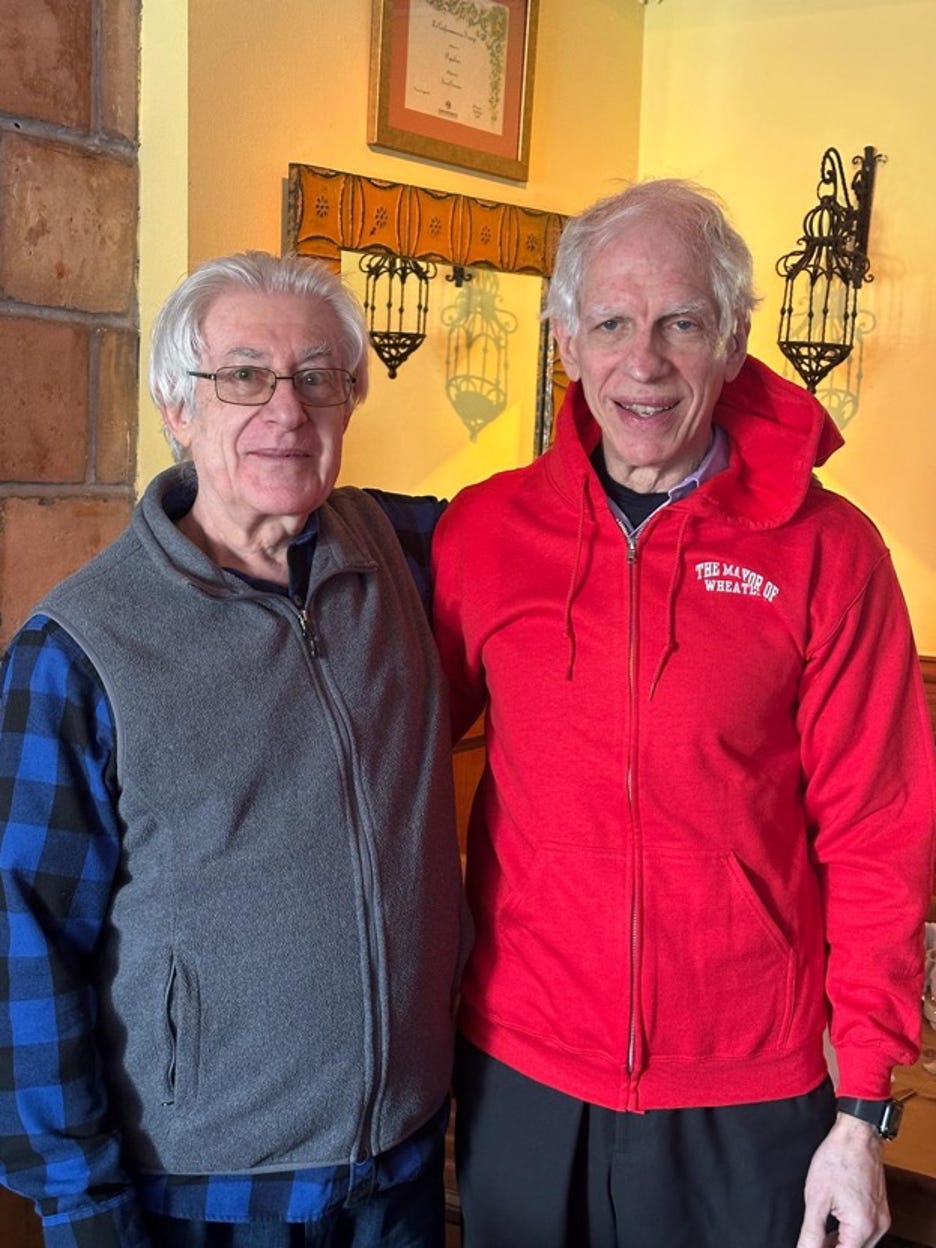
light up the sukkah.” 1966 - Claude Lévy - “A few weeks ago, I had lunch with Art Engoron
(1967), who introduced me to a French friend of his. Art’s
brother, Frank Engoron (1970), joined us. To my great
amazement, Frank, a trombonist, said he remembered my playing with the school
orchestra in 1966. On my end, this very experience of a school orchestra was
definitely a strong recollection. Though some French schools do have good music
programs, including the high school I attended (later on named after Rosa
Parks) before becoming an exchange student, I had never experienced such a
high-level music program. I’ll never know if, next
to the choice of a wonderful family, Wheatley’s music program was one of the
reasons why AFS decided to send me to Roslyn Heights, but this was definitely
a good choice. I believe it strongly impacted my choice of career. The French “Conservatoire
de Musique” was created during the French Revolution in order to provide free
music education to students who would perform for big national events.
Whatever the specific changes that have occurred over nearly two and a half centuries,
“conservatoires” are still the core of instrumental and vocal teaching in
France. Schools do their best to provide music education to all students,
but music majors find more resources in conservatoires than in regular
schools. Students may be torn between attendance at the conservatoire and
ensemble classes in regular schools (I can attest to this, as I taught high school
music majors for seventeen years). This is why I was so impressed by what I
experienced at Wheatley. I marveled at the fact that the music department
offered practice rooms to the students, several with pianos, one with a harp!
The orchestra gave me the opportunity to play both as a piano soloist, and as
a regular instrumentalist, both of which I highly appreciated. Aside from its northern
areas, France does not have a tradition of bands. At Wheatley, I discovered
this type of ensemble, and I even got the chance to have private beginning
snare drum lessons, which I would use later in my teaching practice. At least as important for
me was choir. I’m still grateful to Dr. Godfrey Wills for trusting me to
accompany the choir in very difficult pieces like Stravinsky’s Symphony of
Psalms or Borodin’s Polovtsian dances. I had previously
only been trained as an instrumentalist, and I confess that I hadn’t really
been interested in singing. This experience was so fascinating that it was to
change my life and trigger my pursuing an additional career as a choral
conductor in France, then in New York, as mentioned in Newsletter # 134. I was happy to read, in
previous newsletters, that Dr. Wills also played an important role in
interesting other students in singing, and I would be interested in getting
in touch with whoever would like to exchange more recollections about the
Wheatley musical experience. claude.levy48@gmail.com”
L-R - Claude
Lévy (1966) and Art Engoron (1967) 1967 - Marjorie Hope Gross - “I totally agree with your assessment of modern music
compared to what we heard in the 60s, 70s, and 80s. I was just having this
exact conversation with my husband as we sat on our sunny porch singing along
with the lyrics of our favorite songs on Spotify. ☺️” 1968 - Sandra Brodkin Dreis - Dear Art, Warm regards, blessed New
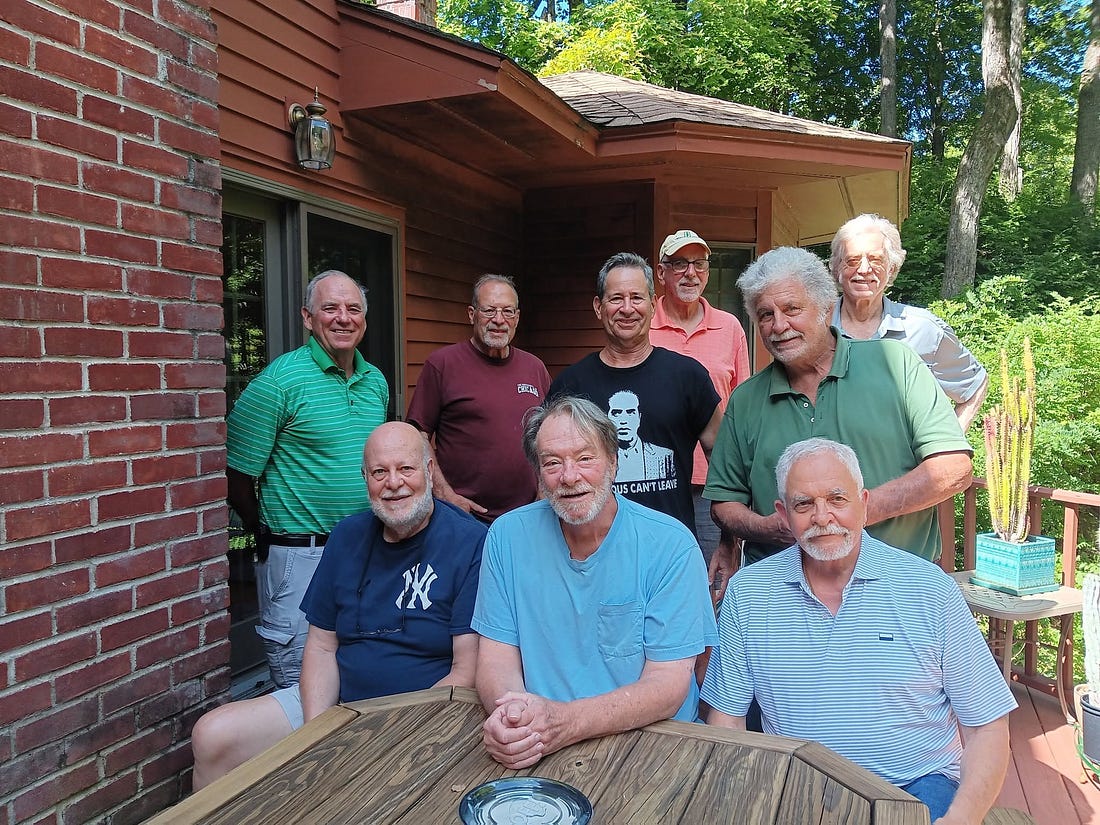
Year, Sandy 1970 Reunion - Summer
2026
Front Row - L-R
- Steve Rosen, Frederick “Ricky” Koch, George Ryan Middle Row - Brian
Lonegan, David Berwald, Robert Abramowitz, Richie Smith Back Row (on the right) -
Bobby Bush, Drew Tressler Back
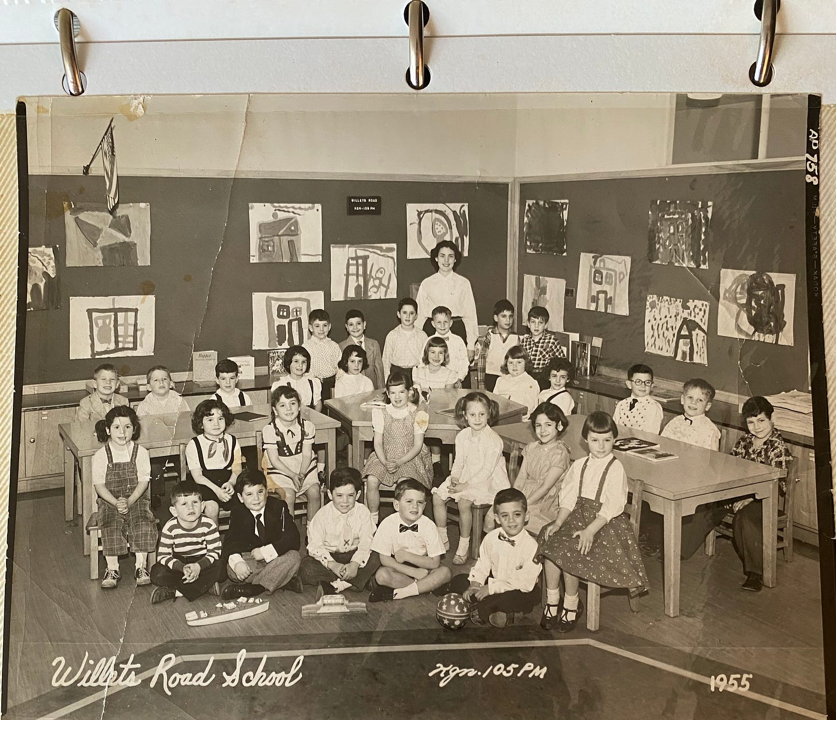
Then-Willets Rd. Kindergarten 1955
Identifications,
anyone? 1974 - Lenny Steinhorn - Art, I enjoyed your riff on
Sixties music! For years, I’ve taught a course on the Sixties — and my book
on the Sixties will be coming out early next year — and a big part of what I
teach and write about is the great music from those years. Dylan, the Stones,
Eve of Destruction, Society’s Child, Phil Ochs, Motown, The Twist, White
Rabbit, Going Up the Country, Woodstock, and so much more. I talk about one
of the most influential TV shows of the era — The Smothers Brothers — not
just because of their politics, but because they introduced psychedelic and
folk-rock music to 15-year-olds. I describe how Dylan turned the Beatles on
to pot at the Delmonico Hotel in NYC on August 28, 1964, a year to the day
after the March on Washington. I’ve actually given public lectures on the Beatles
and Sixties music. It’s funny how many of my students are familiar with our
music ... maybe it’s because their parents or, yikes, grandparents play it
all the time and have little tolerance for today’s overproduced material. A
former student from a couple years back just emailed me to say how she’s been
listening nonstop to one of the groups she hadn’t known about till my class,
Peter, Paul & Mary. My book is titled, The Decade
That Divides Us: America in the 1960s (out in 2027). Below is a
brief excerpt about the Beatles from the book … Thanks. Lenny On the morning of
November 22, 1963, the CBS Morning News aired a five-minute
story out of London on a phenomenon sweeping through Britain. ‘Yeah, yeah,
yeah, those are the Beatles,’ said the reporter, dismissively, as he
described how ‘an epidemic called “Beatlemania” has seized the teenage
population, especially female.’ With ‘their dishmop hairstyles,’ he reported,
‘they are pursued by hordes of screaming, swinging juveniles,’ and ‘girls
faint when the tickets run out.’ Assuming it was an epidemic that would soon
pass, he described the band as ‘merely the latest objects of adolescent
adulation and, culturally, the modern manifestation of compulsive tribal
singing and dancing.’ The story was scheduled to air again that night on the CBS Evening
News, anchored by Walter Cronkite, but history that day decided
otherwise. Yet, a few weeks later, Cronkite was looking for a lighter news
piece to lift spirits and distract a mourning nation, and he remembered the
Beatles story planned for November 22. He aired it on December 10. The
Beatles weren’t much known in the United States, their songs rarely made it
on radio, and none had broken into the Billboard Hot 100. The few news
reports on them were similarly dismissive – ‘Their songs consist mainly of
“Yeh!,” screamed to the accompaniment of three guitars and a thunderous
drum,’ wrote Time magazine. But when CBS aired the story, it wasn’t the
reporter’s condescension that spoke to young people and some astute elders.
It was the driving energy of She Loves You and the rapture of an
electrified crowd jumping, screaming, swaying, and singing to the beat.
Something clearly was happening here. One of those astute
elders was Ed Sullivan, the host of his eponymous variety television show.
Earlier in the fall, Sullivan was traveling to London and saw the Beatles
frenzy first-hand at the airport when a crowd of boisterous and excited fans
greeted the band upon their return from Sweden. So, when their manager, Brian
Epstein, flew to New York in early November to ask network shows to book the
band, Sullivan signed them for three appearances, the first set for February
9, 1964. It was a bit of a risk because few in America had heard of the
Beatles and it wasn’t clear if their popularity in Britain was just a passing
fad. But the CBS story convinced Sullivan that he had captured magic.
Immediately after the news, he called Cronkite and asked about the band. The
next day his team issued a press statement hyping ‘The Beatles of London’ –
described as a ‘wildly popular quartet of English recording stars’ – and
saying that they will be making their first trip to the United States to
appear on The Ed Sullivan Show. Sullivan wasn’t the only
one to sense the moment. Marsha Albert was a 15-year old girl living in a
Washington, DC suburb, and she couldn’t understand why she hadn’t heard the
Beatles before the CBS story. So she wrote a letter to her favorite local
disc jockey, Carroll James, and asked, ‘Why can’t we have music like that
here in America?’ James had also seen the CBS story and, inspired by Albert’s
letter, arranged for a British airlines flight attendant to bring over a
Beatles single. On December 17, a week after the CBS story, he spun I Want to
Hold Your Hand. Within minutes the radio station’s switchboard
lit up with requests to hear it again and again. Disc jockeys around the
country soon scrambled to find their own copy. Capitol Records, which
recently signed the Beatles but didn’t expect much from the band after
previously rejecting them, pivoted quickly and rushed the record out for
American distribution the day after Christmas. Within three days, more than a
quarter million copies sold; within two weeks it was more than a million; and
in New York there were reports of 10,000 singles flying off the racks every
hour. By the time the Beatles appeared on Ed Sullivan, I Want to
Hold Your Hand was the number one Billboard song,
other Beatle songs were climbing to the top of the charts, and when the show
aired, 73 million Americans, in nearly half the households with televisions,
tuned in. Within days, a Bronx toy company was producing 35,000 Beatle wigs
per day – and couldn’t keep up with demand. Sent by: Professor Emeritus
Leonard Steinhorn School of Communication American University” WildCat Pet Corner
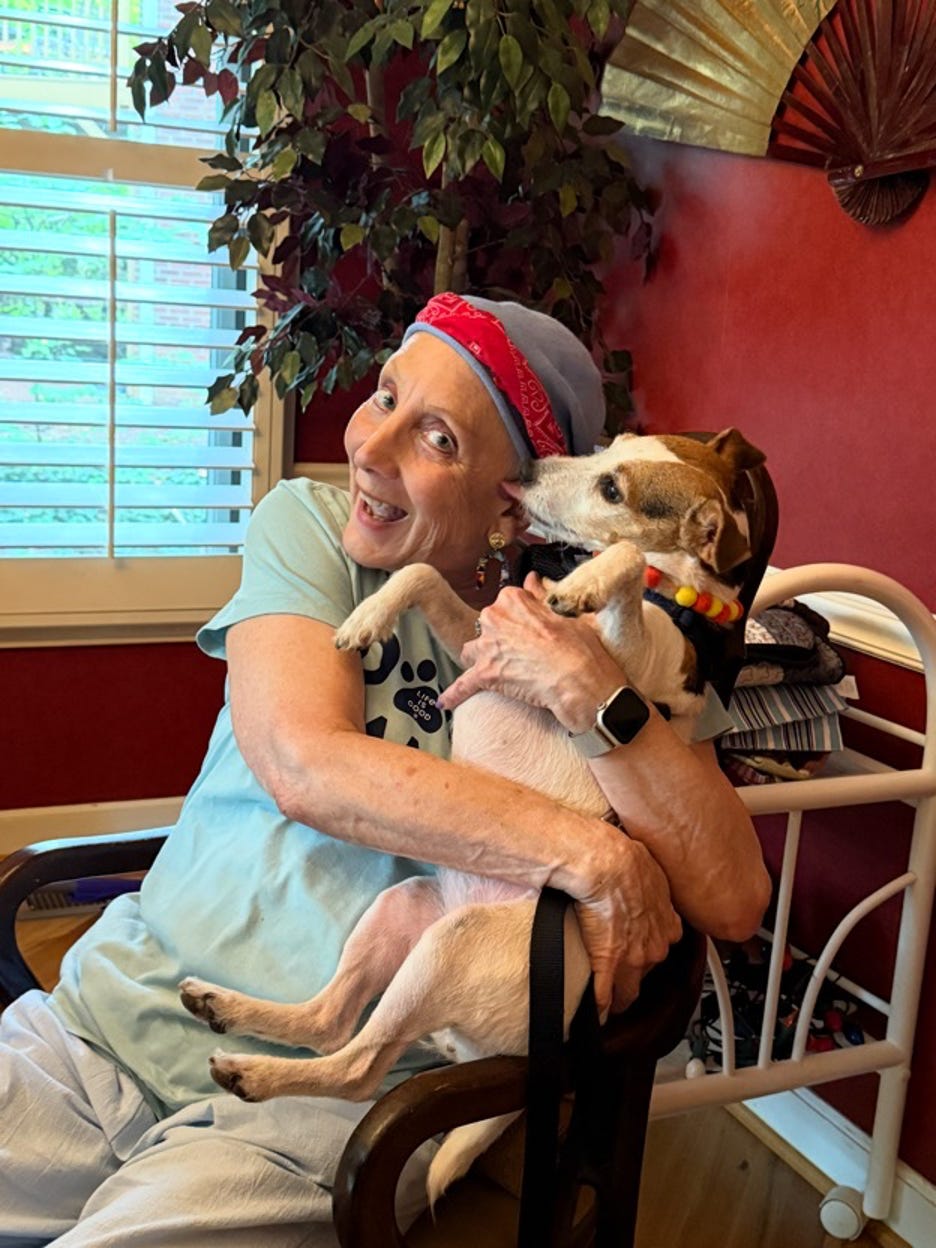
Sandra Brodkin Dreis
(1968) and Jellie Bean Fan Mail
Faculty (Georgette Macrina) - ❤️ 1964 (Richard Ilsley) - ❤️ 1965 (Erik Calonius) - “I appreciated the 9/11 comments. 25 years passed
fast.” 1966 (Claude Lévy) - ❤️ 1967 (Richard Schwarz) - “Thanks for all you do, Art.” 1968 (Joane Filler-Varty) - “I so appreciate the work and time you have donated to
your great Newsletter.” 1968 (Leslie Wolowitz) - “Art, I like receiving the alumni notes and catching
up.” 1969 (Jack Lipsky) - ❤️ 1972 (Robin Freier) - ❤️ 1972 (Suellyn Karben) - ❤️ 1978 (William Haft) - ❤️ 1979 (Randi Glasser) - “I love your review of the Fogerty/ Winwood concert; you
are such a good writer, I know that all the Wheatley teachers loved you,
especially Mr Metzger.” “1982” (Wendy Tafreshi) - ❤️ 1996 (Joshua Effron) - ❤️ 2011 (Katie Fong) - ❤️ Friend (MBDE) - ❤️ The Usual Words of Wisdom
All underlined text is a
link-to-a-link or a link-to-an-email-address. Clicking anywhere on underlined
text, and then clicking on the text that pops up will get you to your on-line
destination or will address an email. Thanks to our fabulous
Webmaster, Keith Aufhauser (Class of 1963), you can regale
yourself with the first 281 Wheatley School Alumni Association Newsletters
(and much other Wheatley data and arcana) at our website: The Wheatley School Alumni Association Website Also thanks to Keith is
our search engine, prominently displayed on our home page: type in a word or
phrase and, wow!, you’ll find every place it exists in all previous
Newsletters and other on-site material. I edit all submissions,
even material in quotes, for clarity and concision, without any indication
thereof. I cannot vouch for the accuracy of what people tell me, as TWSAA
does not have a New Yorker style Fact-Checking Department. We welcome any and all
text and photos relevant to The Wheatley School, 11 Bacon Road, Old Westbury,
NY 11568, and the people who administered, taught, worked,
performed, and/or studied there. Art Engoron, Class of 1967 Closing
That’s it for The
Wheatley School Alumni Association Newsletter # 282. Please send me your
autobiography before someone else sends me your obituary. ⏳ "And
nothing 'gainst Time's scythe can make defence Art |